Back

White Rice vs. Brown Rice vs. Basmati Rice: Which is Actually the Healthiest?
Okay, let's talk about rice. Because somewhere along the way, white rice, brown rice and basmati rice all got tangled up in the same "avoid carbs" conversation - and honestly? That's not fair on any of them.
Not all rice is the same. The type you choose, how you cook it, and what you pile on top all make a real difference to how your body feels afterwards. And when you look at it through a real-food lens - what's actually in it, how it's processed, and how it behaves in your body - one variety keeps coming out on top.
Here's everything you need to know about white rice vs. brown rice vs. basmati, without the waffle.
What's the difference between white rice, brown rice and basmati rice?
To understand why different types of rice do different things in your body, you just need to know a little about what's inside the grain.
Every grain of rice has three layers: the bran (fibre and minerals live here), the germ (the nutrient-rich bit in the middle), and the endosperm (mostly starch). What happens to those layers during processing is what sets the varieties apart.
White rice has had the bran and germ removed, leaving mostly starch. Quick to cook, easy to digest, but lower in fibre and micronutrients as a result.
Brown rice keeps all three layers intact. More fibre, more magnesium, more B vitamins. Nuttier flavour, longer cook time - but nutritionally, it's the more complete package.
Basmati rice is a long-grain variety with a naturally higher content of amylose - a type of starch that digests more slowly than the starch found in shorter-grain white rice. That structural difference means basmati rice behaves quite differently in your body to standard white rice, even when it's white basmati.
Nutritionist tip: The type of starch in your rice matters just as much as whether the bran is intact. When comparing white rice vs. brown rice, it's not the whole picture.
White rice vs. brown rice vs. basmati: how do they compare on GI?
GI - or glycaemic index - is basically a measure of how fast a food raises your blood sugar. High GI = fast spike. Low GI = slow and steady. And the reason it matters? Those blood sugar spikes affect your energy levels, mood, hormones, and how you feel for the rest of the day.
Here's how the main varieties stack up:
| White Rice | Brown Rice | Basmati Rice |
|---|---|---|
| High (72-85) GI | Medium (50-55) GI | Medium (50-58) GI |
| Low Fibre | Higher Fibre | Moderate Fibre |
| Fast Digestion | Slower Digestion | Moderate-Slow Digestion |
| Often enriched | Usually clean | Pure rice - no additives |
| Best for quick energy | Best for fibre boost | Best for everyday eating |
The big surprise when comparing white rice vs. basmati rice? Basmati's GI sits right alongside brown rice - even though it's technically a white rice. That's entirely down to its higher amylose content, which slows digestion and means a much more gradual rise in blood sugar. Great news if you're chasing sustained energy, balanced hormones, or just want to skip that 3pm slump.
Nutritionist tip: Pairing any rice with protein, healthy fats, and fibre-rich vegetables drops the glycaemic load of the whole meal even further - a simple trick for keeping blood sugar stable.
Is white rice bad for you?
Short answer: no, not inherently. The reputation comes from context - large portions of highly refined white rice eaten on its own, with nothing to slow it down. That's when you get the blood sugar response that gave white rice its bad name.
Basmati rice changes that story. Its higher amylose content means it already digests more slowly than standard white rice - and it's been a staple in some of the world's healthiest cuisines for centuries. South Asian, Middle Eastern, Persian cooking - all built around basmati as a wholesome, nourishing everyday carbohydrate.
Eaten as part of a balanced, real-food meal? It's a genuinely healthy carb.
Nutritionist tip: Basmati is also one of the more gut-friendly rice options for people with sensitive digestion, making it a smart everyday choice - especially for those following a low FODMAP diet.
How to get the most out of Tilda
Good news for busy humans everywhere - Tilda's microwave rice pouches bring all of this goodness to your plate in just two minutes flat.
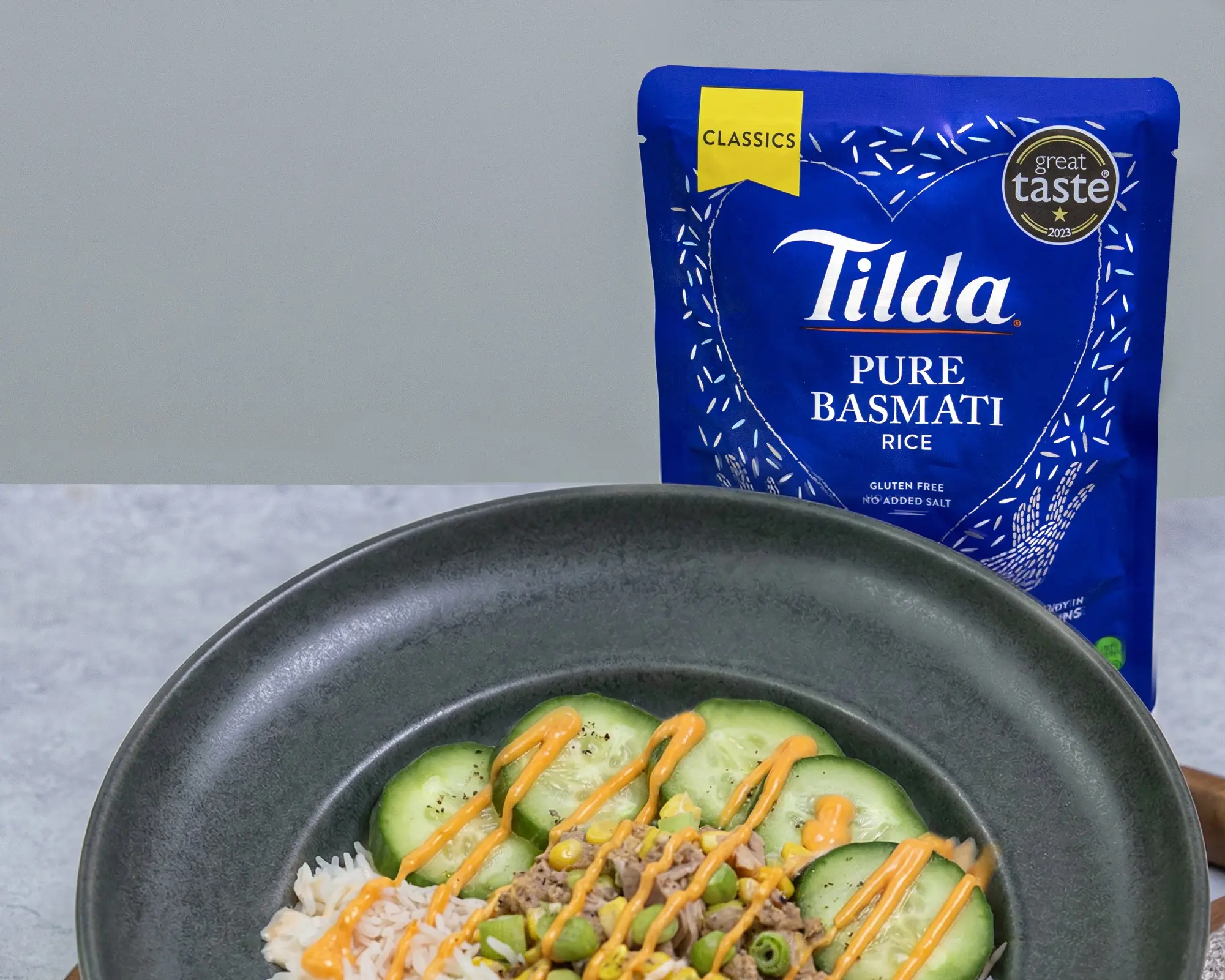
Is it real rice? Yes, absolutely. Tilda pouches are pure basmati, pre-cooked and sealed. No additives, no preservatives. Just the same clean grain, made stupidly convenient. It passes our Real Food Code - we checked.
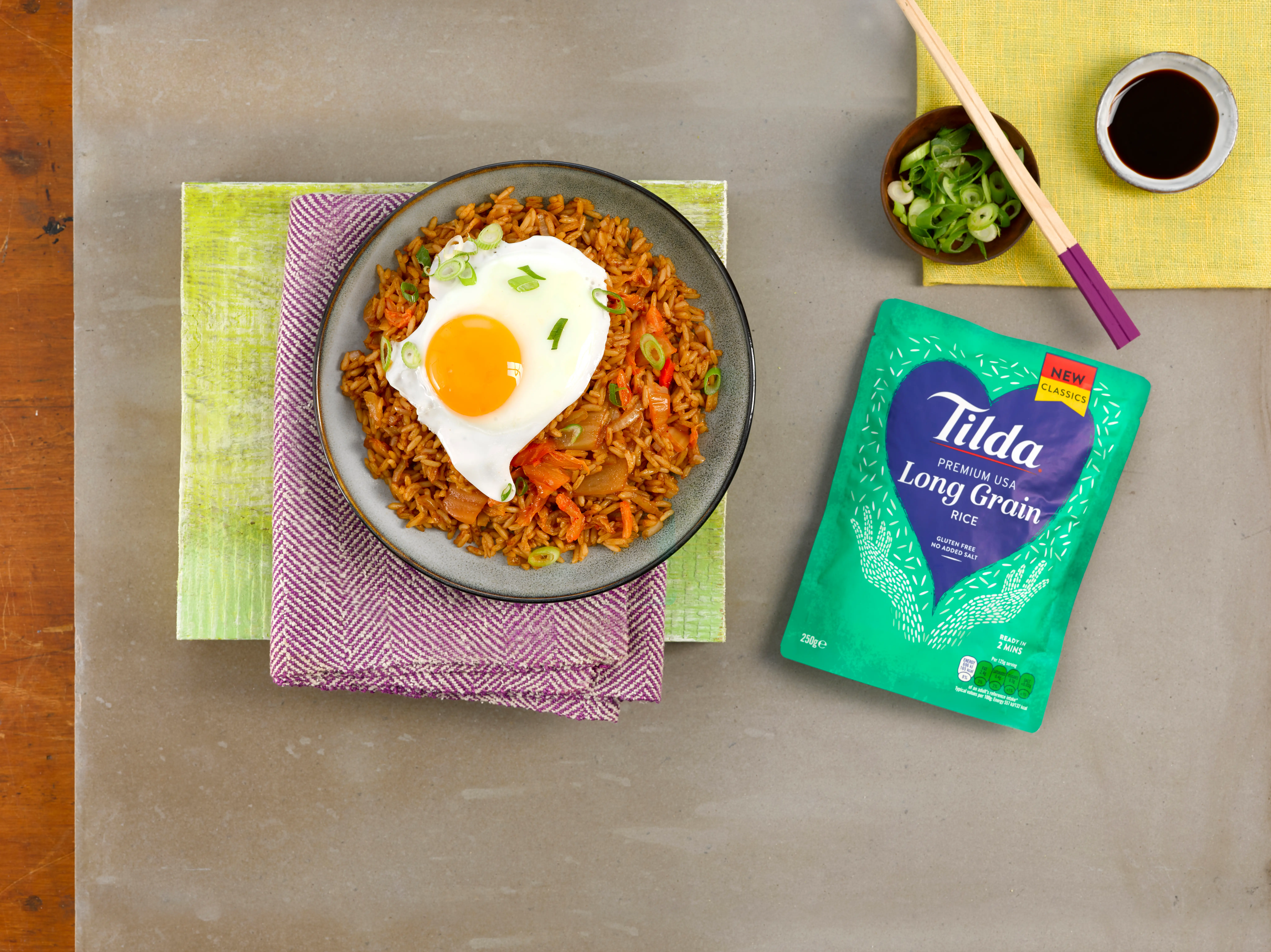
Keep a few pouches in the pantry. For the nights when cooking feels like a lot. Tilda pouch + leftover roasted veg + a fried egg = a genuinely wholesome meal in five minutes.
Build a plate around it Protein + veg + a drizzle of healthy fat alongside your Tilda pouch and you've got a balanced, nourishing meal that'll actually keep you full. The two-minute base means you can put your energy into the good stuff on top.
Get creative. Stuffed capsicums. Quick fried rice. Alongside a dahl or curry. Folded through a nourish salad. Basmati's light, aromatic flavour works across cuisines in a way that plain white rice doesn't.
Meet the Tilda Basmati Rice Range at GoodnessMe
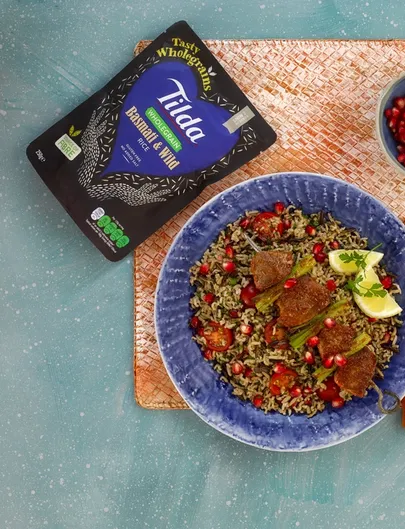
Tilda Microwave Brown Basmati & Wild Rice 250g The high-fibre pick. Brown basmati and wild rice combined for a nutty, wholesome base that keeps you fuller for longer.
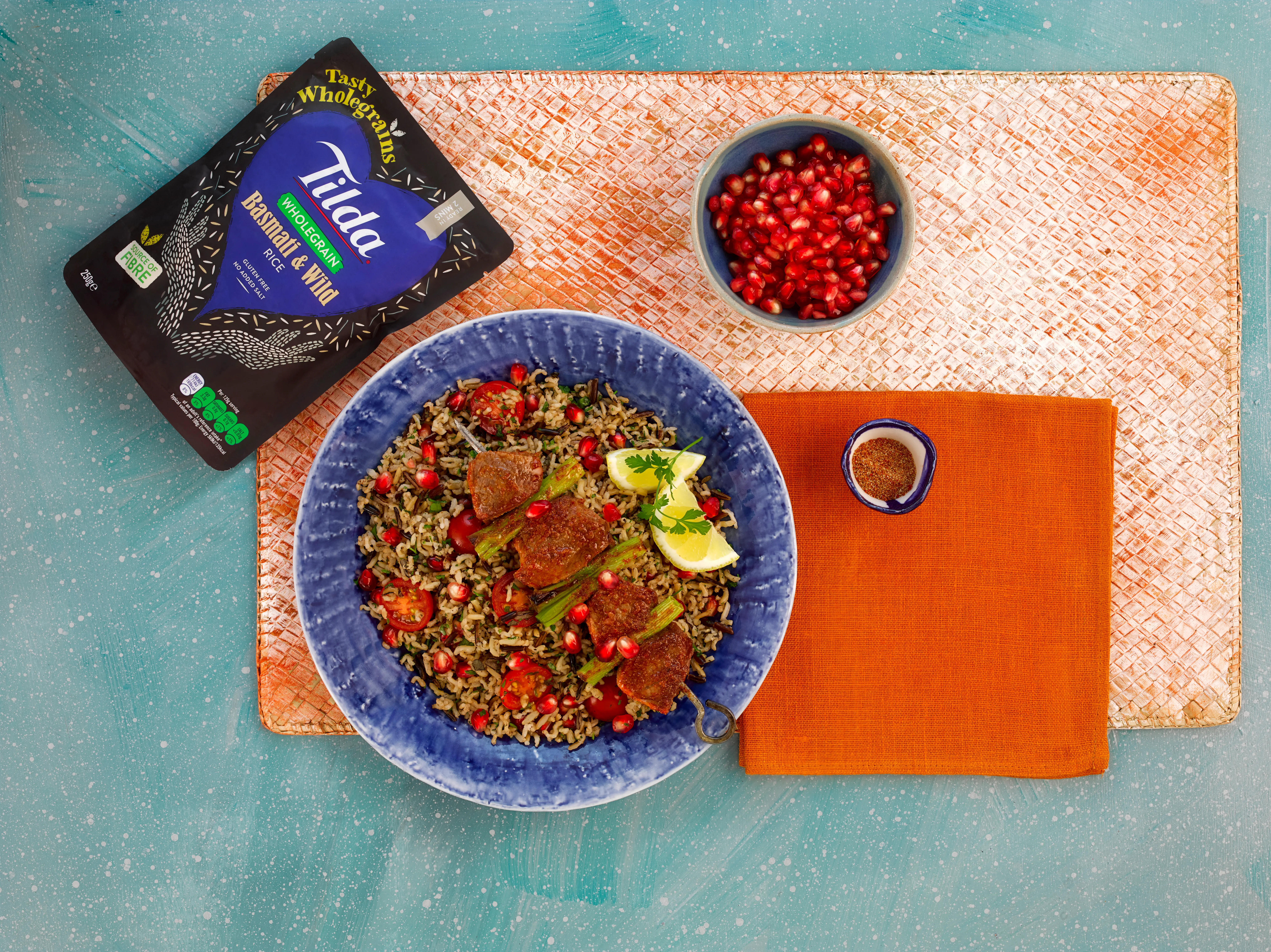
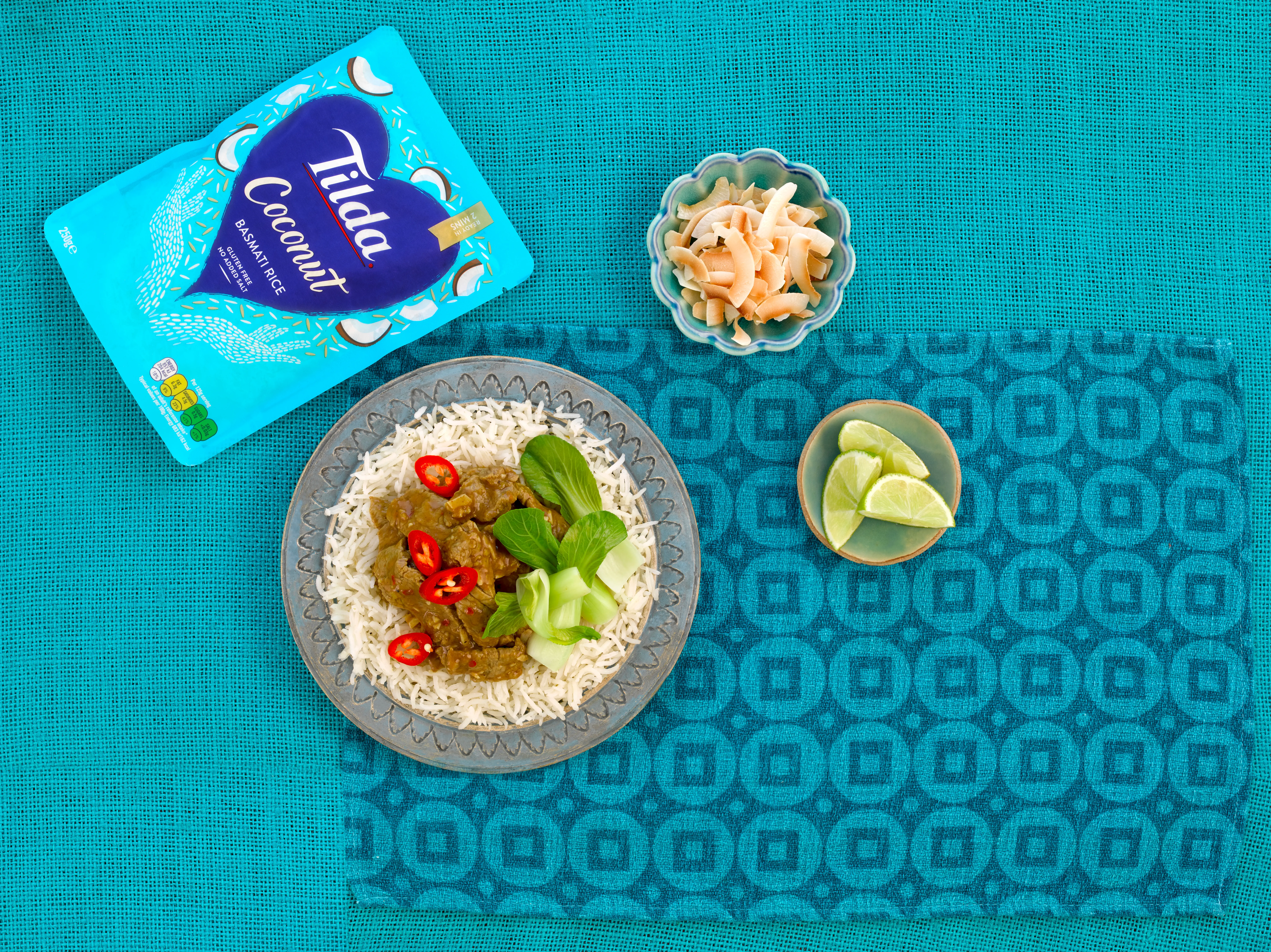
Tilda Coconut Basmati Rice 250g Creamy, fragrant, and just a little bit indulgent. Works as a savoury base or a healthy dessert - trust us on this one!
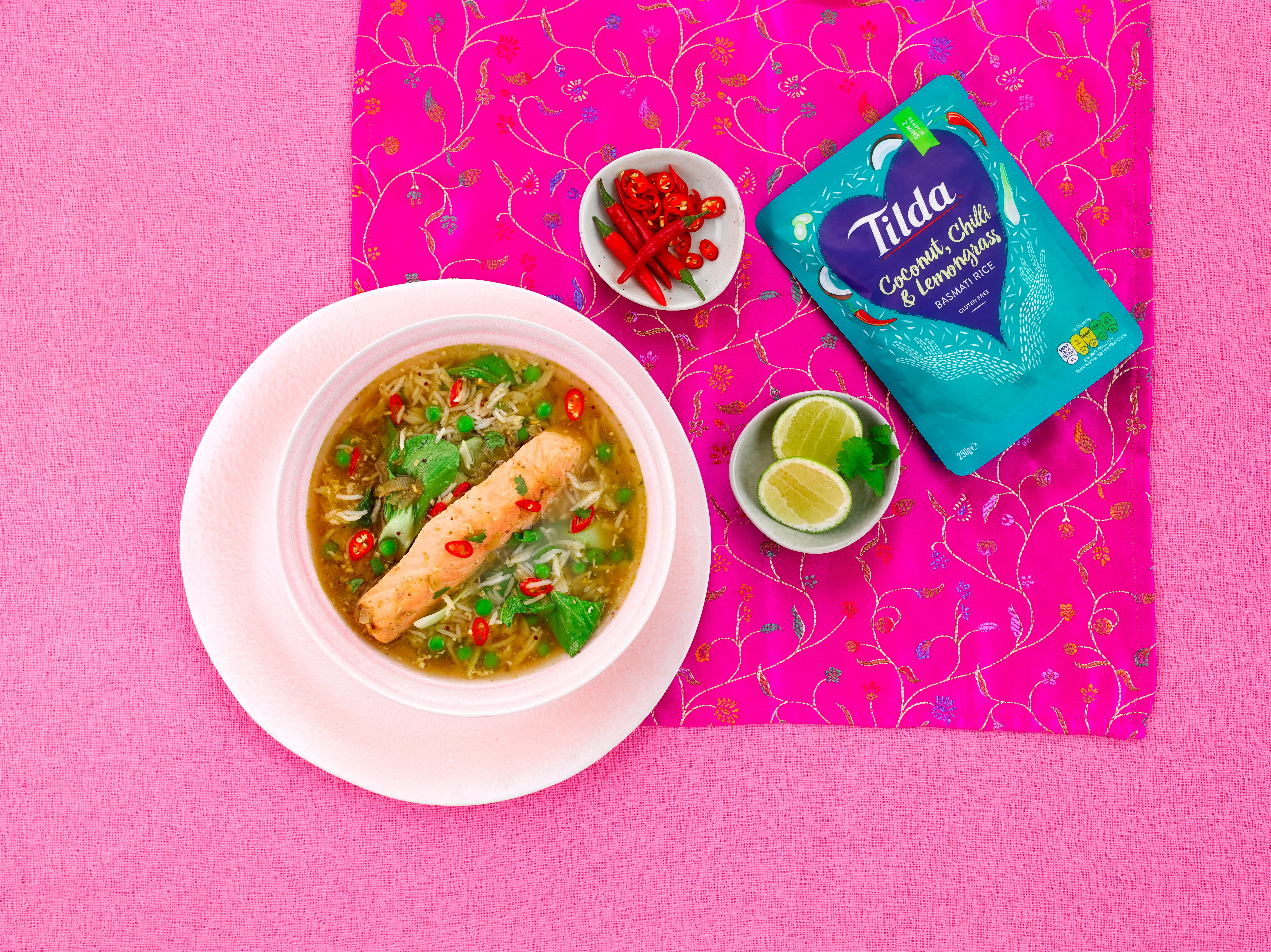
Tilda Coconut, Chilli & Lemongrass Basmati Rice 250g Bold, zingy, and ready to go. This flavour does the heavy lifting so you don't have to. Try it for a dinner that feels fancier than the effort involved!
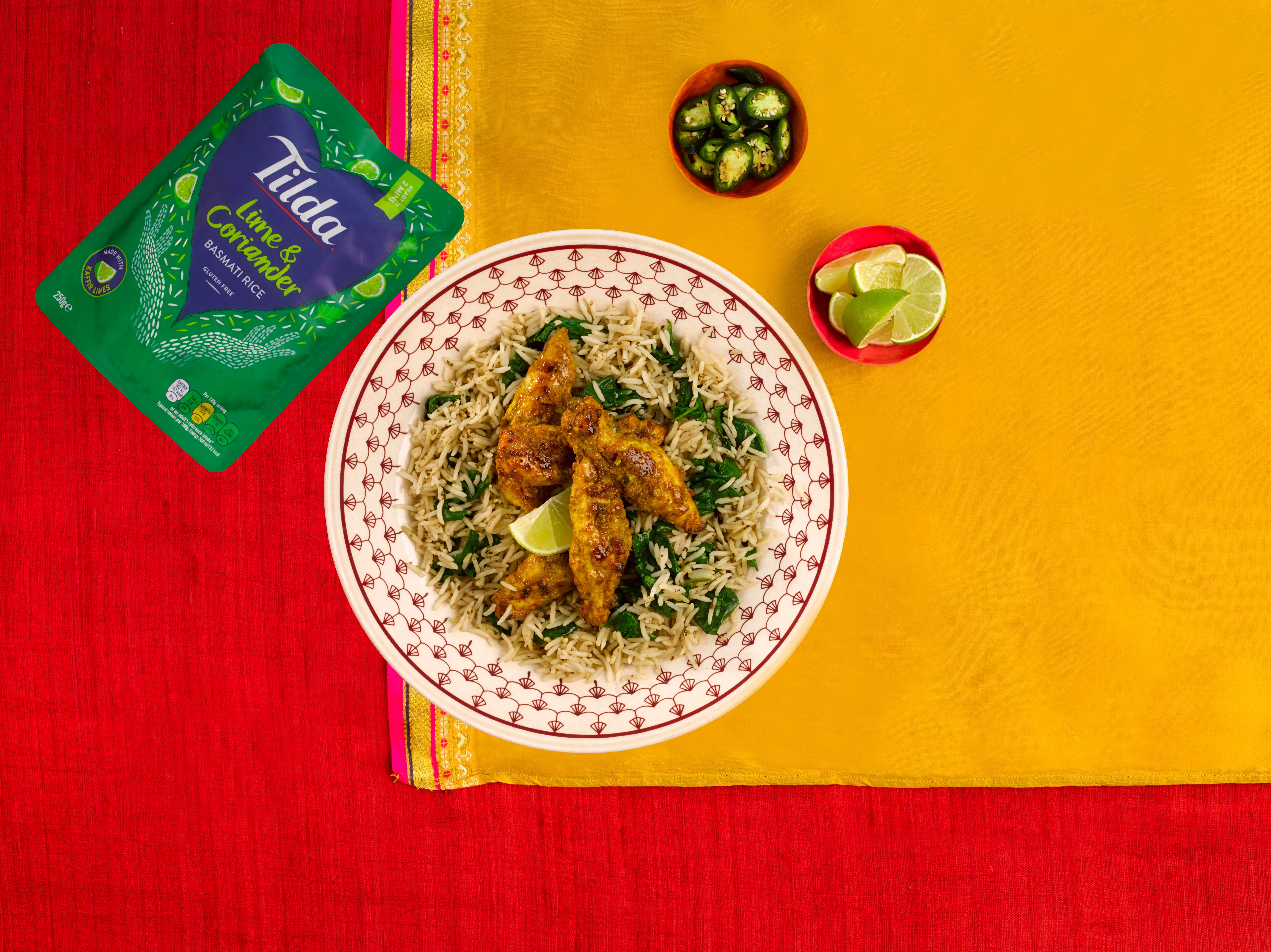
Tilda Microwave Lime & Coriander Basmati Rice 250g Fresh, bright, and endlessly versatile. Pairs beautifully with grilled fish, roasted veg, or avocado and black beans.
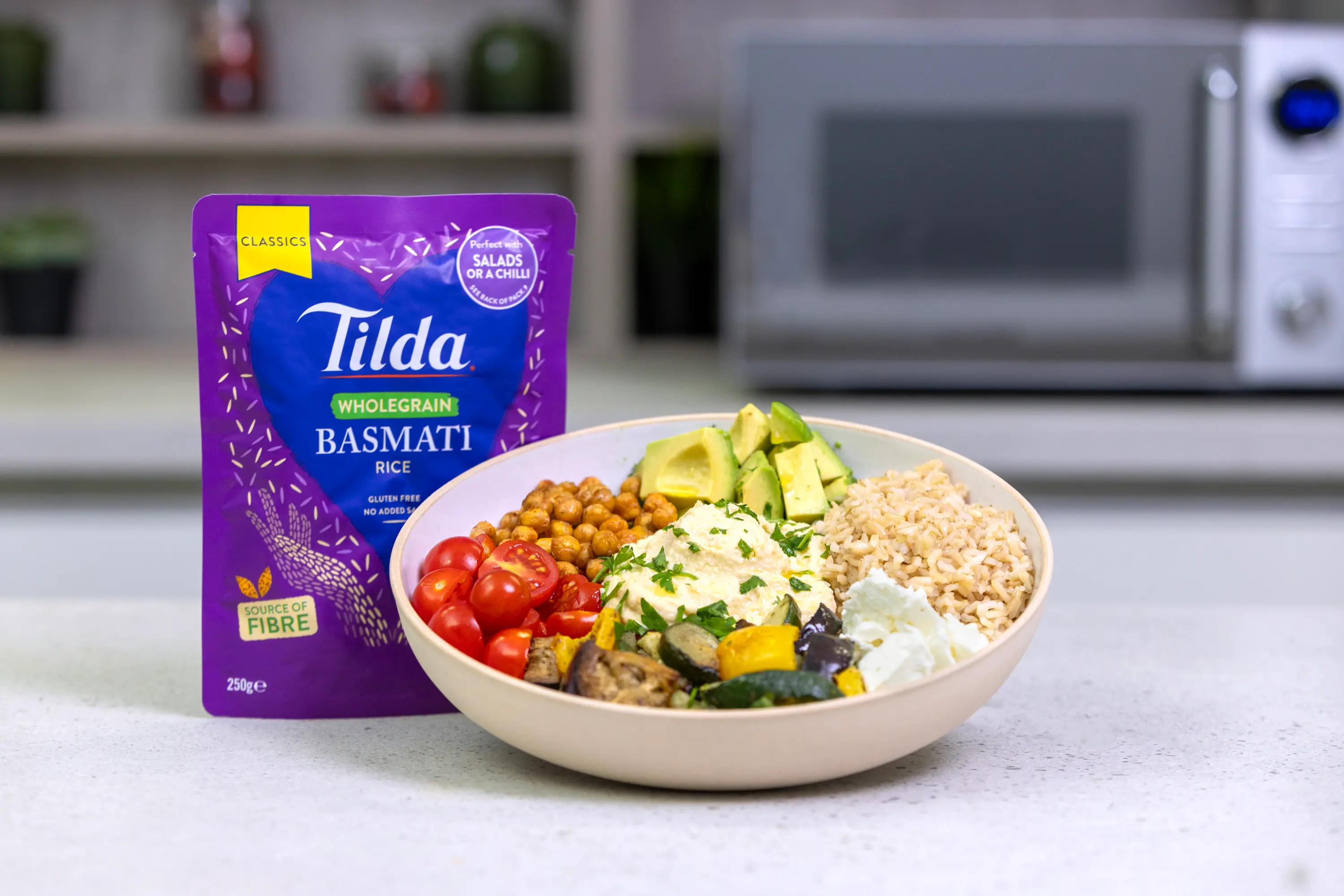
Tilda Brown Basmati Rice 250g The everyday all-rounder. Wholesome, clean, and packed with fibre - this is the one to keep stocked in your healthy pantry. And goes with absolutely everything!
The verdict: which rice is healthiest?
Brown rice is a brilliant wholefood with impressive fibre and micronutrient credentials - and it absolutely has a place in a healthy diet. But when it comes to an everyday rice that's lower GI than standard white rice, naturally gluten-free, gentle on digestion, completely clean on the label, and genuinely delicious - Tilda Basmati Rice is the one our nutritionists reach for.
And with the microwave pouch range available now at GoodnessMe, it's on your plate in two minutes!
Shop the Tilda Microwave Rice range in the GoodnessMe Pantry Staples collection.
Want to build the perfect plate around your Tilda rice? Browse our Gut Health and Energy collections for nutritionist-approved additions.
Frequently Asked Questions
Is basmati rice healthier than white rice? Yes - basmati rice has a lower glycaemic index (GI of 50-58) than standard white rice (GI of 72-85), due to its higher amylose content which slows digestion and produces a more gradual rise in blood sugar. It's also free from additives, making it a cleaner everyday choice.
Is basmati rice healthier than brown rice? Both are great options. Brown rice is higher in fibre and micronutrients, while basmati rice has a comparable GI and is gentler on digestion - particularly for those with sensitive guts or following a low FODMAP diet. For everyday eating, basmati is an excellent choice.
Is microwave rice as healthy as cooking rice from scratch? Yes - Tilda microwave rice pouches contain pure basmati rice with no additives or preservatives. The rice is pre-cooked and sealed to lock in quality, making it nutritionally equivalent to rice cooked from scratch.
Is basmati rice gluten-free? Yes - basmati rice is naturally gluten-free, making it a safe and delicious option for people with coeliac disease or gluten sensitivity. Browse GoodnessMe's full gluten-free food range for more nutritionist-approved options.
What is the glycaemic index of basmati rice? Basmati rice has a medium glycaemic index of approximately 50-58, which is significantly lower than standard white rice (72-85) and comparable to brown rice (50-55). Pairing it with protein, healthy fats and vegetables lowers the glycaemic load of the meal even further.